

Organizing a global event that includes China is a major technical challenge. Thanks to our "China Acceleration" offering and our compliance with local regulations (ICP license), we ensure that your website and your livestreams are instantly accessible from Beijing or Shanghai, with the same quality as in Europe.



Most Western websites take more than 30 seconds to load in China, or are simply blocked. Our specific technical architecture (adapted hosting and CDN) allows your event website to load quickly for local participants, without the need to install a VPN. The user experience is finally seamless, removing barriers to registration and participation.
The key argument: Video content (often the weak point of hybrid events in China). Forget YouTube or Vimeo, which are inaccessible in China. Thanks to our native integration with the Vodalys streaming solutionVodalys, broadcast your conferences live or on replay without interruption. The video player automatically adapts to local bandwidth to ensure that your message crosses borders, literally.
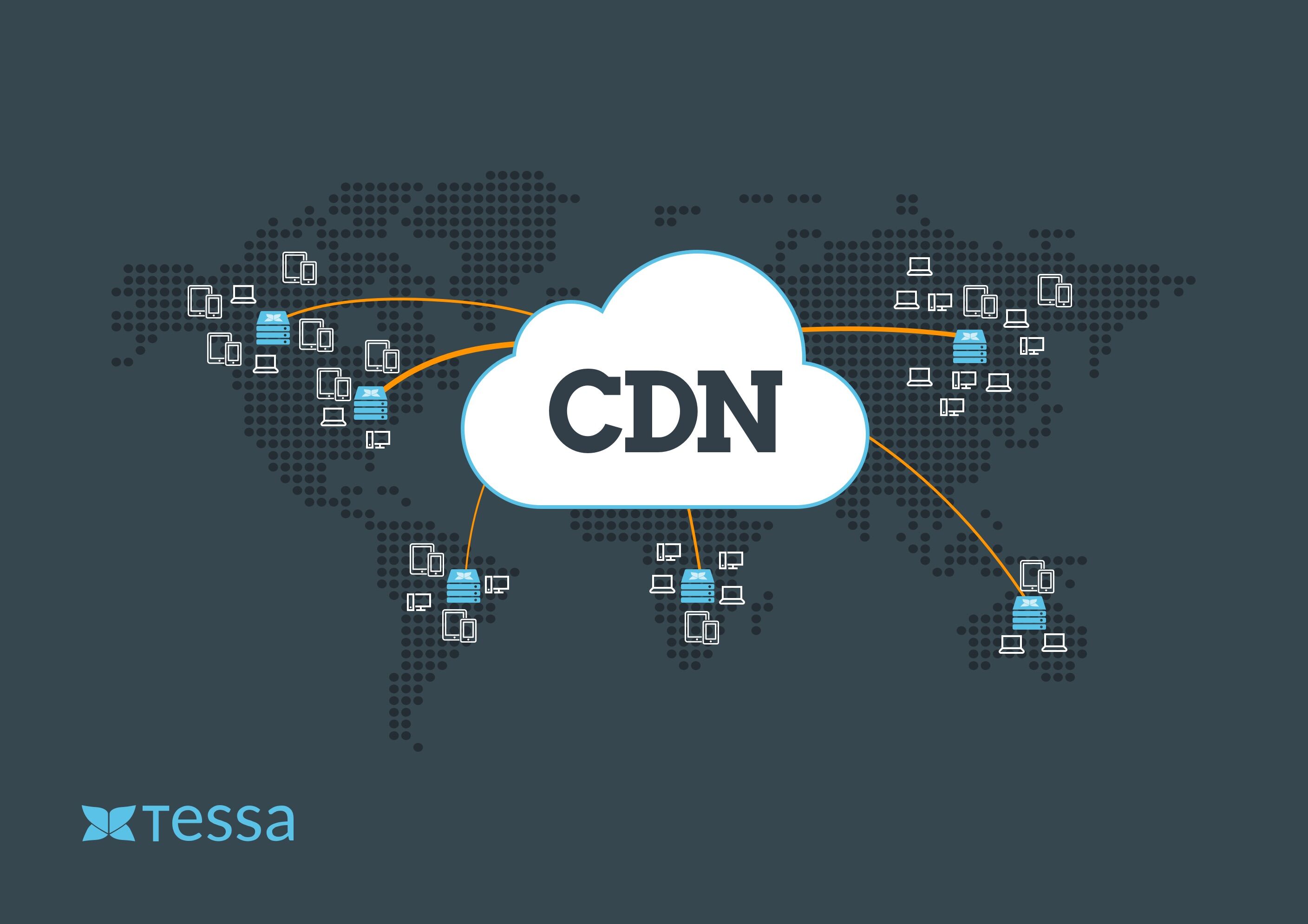

Distributing web content in China requires compliance with strict rules, including obtaining or recognizing an ICP (Internet Content Provider) license. AppCraft incorporates these constraints into its offering: we ensure that the platform complies with technical and legal requirements to prevent your event from being blacklisted by local authorities.
The key argument: Proof through experience. Connectivity in China is constantly evolving. Don't use an untested solution as a "crash test." Every year, AppCraft deploys numerous large-scale events connecting Europe and Asia. Our teams know the pitfalls to avoid and constantly monitor the accessibility of our servers to ensure the success of your international operation.
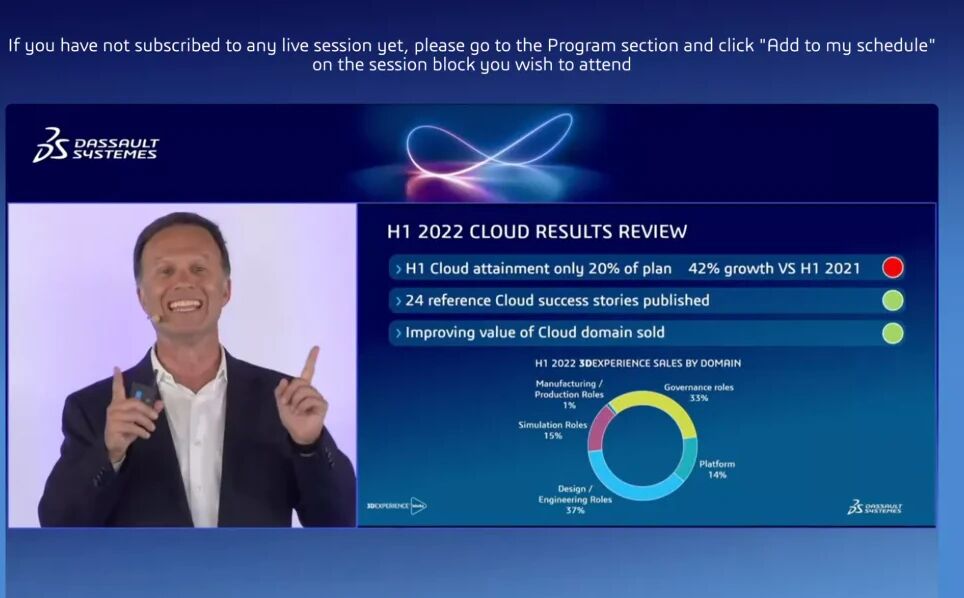
Yes, provided that you use compliant technical infrastructure. Our solution is based on Chinese servers and specific subdomains that enable smooth distribution while complying with local restrictions.
Yes. Our technical setup allows us to bypass traditional limitations by using a Chinese CDN and a local network configuration. This avoids the blockages or slowdowns typically imposed by the Great Firewall.


